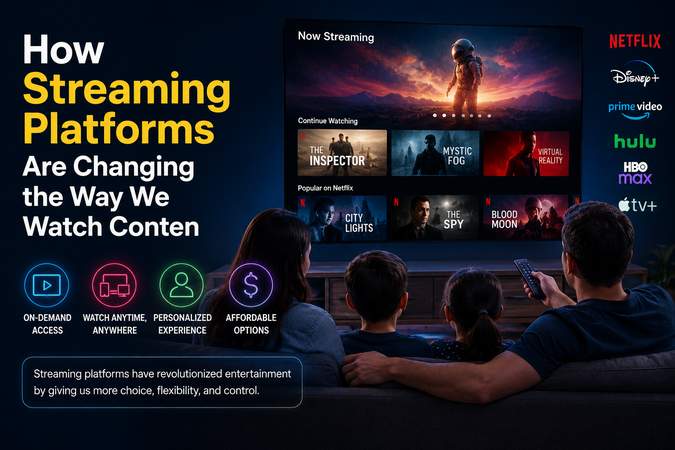
Gone are the days when we had to rush home to catch our favorite television shows at a scheduled time. Today, digital media has completely revolutionized our daily entertainment routines and viewing habits. If you have ever wondered exactly how streaming platforms are changing the way we watch conten, you are certainly not alone. This dramatic shift is reshaping the entire media landscape around the globe.
The transition from traditional cable television to on-demand digital services has given consumers unprecedented control. We now hold the power to dictate exactly what, when, and where we view our favorite movies and series. This newfound freedom has sparked a massive cultural phenomenon known as cord-cutting. Millions of households are abandoning expensive cable packages in favor of flexible, internet-based alternatives.
In this comprehensive guide, we will explore the profound impact of these digital services on modern society. We will dive into the psychology behind binge-watching, the algorithmic magic that keeps us hooked, and the future of digital media consumption. Prepare to uncover the fascinating details behind the digital entertainment revolution and how it impacts your daily life.
The Rise of Digital Entertainment and Cord Cutting
Saying Goodbye to Traditional Cable
For decades, cable and satellite television dominated the home entertainment industry. Viewers were forced to pay for hundreds of channels they never watched just to access a few favorites. This rigid, expensive model left consumers frustrated and hungry for better alternatives. The introduction of affordable, subscription-based digital video changed everything.
Cord-cutting quickly transformed from a niche trend into a massive mainstream movement. Viewers realized they could save money while enjoying a superior, customized viewing experience. Today, traditional cable providers are scrambling to adapt as their subscriber counts continue to plummet. The era of appointment television is rapidly being replaced by the era of ultimate viewer control.
The Convenience of Video on Demand
One of the most significant shifts in media consumption is the unparalleled convenience of video on demand. You no longer need to be sitting in your living room to enjoy high-quality entertainment. Digital apps allow you to carry an entire library of movies and television shows in your pocket. This portability has completely changed how we utilize our free time.
Commutes, long flights, and waiting rooms have transformed into prime viewing opportunities. Smartphones, tablets, and laptops deliver crisp, high-definition video directly to our fingertips. We can pause a movie on our smart TV and seamlessly resume it on our phone during the morning train ride. This fluid, multi-device ecosystem ensures that our favorite stories are always accessible.
Global Access to Niche Entertainment
Historically, television networks catered to broad, mainstream audiences to guarantee high ratings. Niche genres and international productions rarely saw the light of day in Western markets. The digital revolution has completely dismantled these geographic and cultural barriers. Content libraries are now vast, diverse, and globally accessible.
Viewers can effortlessly explore Korean dramas, Japanese anime, and Scandinavian crime thrillers on a single platform. High-quality subtitling and professional dubbing have made international stories universally appealing. This global exchange of art and culture has broadened our horizons significantly. It proves that great storytelling transcends language and borders.
The Binge Watching Phenomenon Explained
Another major aspect of how streaming platforms are changing the way we watch conten is the normalization of binge-watching. Consuming massive amounts of television in a single sitting used to be reserved for rare DVD box-set marathons. Now, it is the standard way many of us experience new stories.
Why We Consume Entire Seasons Instantly
The strategy of releasing an entire season of television on a single day revolutionized the industry. Networks used to tease audiences with weekly cliffhangers to maintain viewership over several months. Digital providers realized that viewers preferred instant gratification and total immersion. Dropping a full season at once empowers the audience to set their own pace.
This release model taps directly into our psychological desire for narrative completion. When a story hooks us, we naturally want to see what happens next without waiting seven days. Binge-watching provides a continuous flow of dopamine, keeping us highly engaged for hours on end. It turns watching television from a passive daily habit into an active weekend event.
The Psychological Impact of Autoplay
Technology plays a massive role in encouraging long viewing sessions. The implementation of the autoplay feature was a stroke of genius by platform developers. By automatically starting the next episode within five seconds, the system removes the friction of decision-making. You actually have to exert physical effort to stop watching.
This subtle design choice creates a seamless, uninterrupted viewing loop. As the credits roll, the countdown immediately builds anticipation for the next chapter. Before you can convince yourself it is time for bed, the story has already resumed. It is a powerful psychological tool that significantly boosts user retention and total watch time.
Transforming Social Conversations
The binge model has drastically altered how we discuss pop culture with our peers. In the past, the “watercooler effect” meant everyone discussed last night’s episode together the next morning. Today, everyone is on a different episode, making discussions much more complicated. Spoiler culture has become a massive point of anxiety for dedicated fans.
This dynamic creates an intense social pressure to finish new releases as quickly as possible. Fans will often sacrifice sleep to complete a highly anticipated series on its opening weekend. They do this not just for the story, but to safely browse social media without encountering spoilers. Our social lives are increasingly dictated by digital release schedules.
How Algorithms Predict Our Viewing Habits
To truly understand how streaming platforms are changing the way we watch conten, we must look at the hidden technology powering them. Behind the colorful interfaces lies a complex web of artificial intelligence and machine learning. These systems are constantly analyzing our behavior to serve us better.
The Power of Personalized Recommendations
Every time you log into a digital video service, your homepage looks entirely different from your neighbor’s homepage. The system tracks every click, pause, rewind, and skipped introduction to build a unique viewer profile. It knows what genres you love, what actors you follow, and even what time of day you prefer comedies over dramas. This massive data collection drives highly personalized content recommendations.
Algorithms will even alter the promotional thumbnail of a movie based on your past viewing history. If you watch romantic comedies, the algorithm highlights a romantic scene in the thumbnail. If you prefer action, it shows you a thrilling explosion from that exact same movie. This personalized marketing guarantees you are more likely to click play.
Designing Shows Based on Viewer Data
Data analytics do not just recommend shows; they actively dictate what gets produced. Studios now rely heavily on viewer metrics when greenlighting new, expensive projects. By analyzing overlapping fan bases, platforms can identify the perfect combination of genre, director, and lead actor. They effectively engineer successful television shows based on mathematical probabilities.
This data-driven approach removes much of the financial risk from Hollywood production. Executives no longer have to guess what the public wants to see. They simply look at the search queries and completion rates of their current subscriber base. The result is a steady stream of highly targeted, incredibly addictive original programming.
Navigating the Choice Paradox
Despite these advanced algorithms, consumers frequently suffer from decision fatigue. When presented with thousands of titles, viewers often spend more time scrolling than actually watching. This phenomenon is commonly known as the paradox of choice. Having too many options can lead to anxiety and indecision.
To combat this, providers are constantly inventing new ways to streamline the selection process. Features like “Top 10 in Your Country” provide social proof to help viewers decide. “Play Something” buttons remove the choice entirely, instantly starting a show based on algorithmic confidence. These tools are designed to get you watching as quickly as possible.
The Evolution of Original Content Creation
Original programming is a perfect example of how streaming platforms are changing the way we watch conten today. Early on, these services were simply digital rental stores for old network shows and theatrical movies. Eventually, they evolved into the most powerful production studios on the planet.
Massive Budgets and Cinematic Quality
The line between blockbuster cinematic movies and episodic television has been completely erased. Digital platforms are investing billions of dollars annually to create exclusive, premium content. These massive budgets attract A-list movie stars, legendary directors, and top-tier writers who previously avoided television. The production values often rival or exceed traditional Hollywood theatrical releases.
Viewers now expect cinematic special effects, intricate costume designs, and sweeping musical scores from their home entertainment. We are experiencing a golden age of television where visual quality is never compromised. This commitment to premium production ensures that subscribers feel they are getting immense value for their monthly fees.
Breaking Traditional Network Rules
Unbound by the strict rules of broadcast television, digital creators enjoy unprecedented artistic freedom. Traditional network television is constrained by rigid commercial breaks and exact running times. A network drama must be exactly 42 minutes long to leave room for advertisements. Digital episodes can be 30 minutes, 50 minutes, or 80 minutes, depending entirely on what the story requires.
Furthermore, digital networks are not restricted by the censorship rules of traditional broadcast commissions. Creators can explore mature, complex themes without worrying about advertiser backlash. This creative liberty has led to darker, more nuanced storytelling that deeply resonates with modern adult audiences.
Releasing Content Worldwide Simultaneously
In the past, a hit television show might air in the United States months before reaching Europe or Asia. This staggered release schedule fueled international piracy and disjointed fan communities. Today, major original titles are launched globally at the exact same moment. Fans in Tokyo, London, and New York can experience the premiere simultaneously.
This synchronized global launch creates massive, worldwide cultural events. Social media explodes with unified excitement, generating incredible free marketing for the platforms. It unites diverse audiences under a shared narrative experience, proving the immense power of a connected digital world.
Comparing the Major Video Providers
The massive success of digital video has led to intense competition known as the “streaming wars.” Dozens of massive corporations have launched their own services, vying for a share of your monthly entertainment budget. Understanding the strengths of each platform can help you optimize your viewing experience. Below is a detailed breakdown of the major players in the current digital entertainment landscape.
| Platform Name | Best Suited For | Standout Feature | Original Content Focus |
|---|---|---|---|
| Netflix | Binge-watchers & Global Content | Superior recommendation algorithm and seamless user interface. | High-volume, diverse genres, massive international hits. |
| Hulu | Next-day Network TV & Reality | Live TV add-on options and fast access to broadcast shows. | Edgy comedies, award-winning dramas, and true crime. |
| Disney+ | Families & Franchise Fans | Unmatched vault of classic animated films and massive franchises. | Marvel, Star Wars, Pixar, and family-friendly series. |
| Amazon Prime Video | Value Seekers & Movie Buffs | Included free with retail shipping subscription. | Big-budget fantasy series and gritty action thrillers. |
| Max (HBO) | Prestige Drama & Cinema Lovers | Same-day theatrical releases and massive legacy catalog. | Award-winning prestige television and blockbuster movies. |
As you can see, no single service offers everything to everyone. The fragmented market forces consumers to make strategic choices about where to spend their money. Many viewers choose a “hero” service like Netflix, while rotating supplementary services based on new release schedules. This strategic subscribing is the new normal in home entertainment.
Expert Tips for Managing Subscription Fatigue
With so many fantastic platforms available, it is easy to accidentally sign up for more than you can handle. This phenomenon, known as subscription fatigue, drains your wallet and overwhelms your free time. Consumers often realize they are paying for several services they haven’t launched in months. Here are some actionable tips to help you manage your digital entertainment budget efficiently.
- Conduct a Monthly Audit: Review your bank statements regularly to identify which services are actively charging you. Cancel any platform you haven’t watched in the last thirty days.
- Embrace the Rotation Strategy: You do not need every service all year long. Subscribe to one platform, binge its new releases for a month, cancel it, and move on to the next one.
- Look for Bundled Deals: Many telecom and cell phone providers offer free or heavily discounted digital entertainment packages. Always check your existing utility plans for hidden perks.
- Share the Burden: While password-sharing crackdowns are becoming common, many platforms still offer affordable family or household plans. Splitting a premium tier with roommates is highly cost-effective.
- Utilize Free Ad-Supported Services: Do not ignore free platforms like Pluto TV or Tubi. They offer thousands of great movies and classic shows in exchange for watching a few brief commercials.
- Track Your Free Trials: Always set a calendar reminder on your phone when signing up for a 7-day free trial. This prevents unexpected auto-renewals on services you were only testing out.
By implementing these strategies, you can enjoy all the benefits of the digital entertainment era without breaking the bank. Being intentional with your subscriptions ensures that your viewing time remains a relaxing escape rather than a financial burden. Stay organized, and never be afraid to hit the cancellation button.
Frequently Asked Questions about How Streaming Platforms Are Changing the Way We Watch Conten
What is the main driver behind cord-cutting?
The primary driver behind cord-cutting is the desire for cost savings and viewing flexibility. Consumers are tired of paying exorbitant prices for bloated cable packages filled with unwanted channels. Digital platforms offer targeted, high-quality entertainment at a fraction of the traditional cost.
How do algorithms decide what I should watch next?
Algorithms analyze thousands of data points regarding your viewing habits, including watch time, search history, and genre preferences. They compare your profile to millions of similar users to predict what you will enjoy. This massive data processing creates the highly personalized recommendation rows on your homepage.
Will traditional cable television eventually disappear entirely?
While traditional cable is experiencing rapid decline, it is unlikely to disappear entirely in the near future. Live sports and local news still heavily rely on traditional broadcast infrastructure. However, cable providers are quickly pivoting to integrate internet-based apps into their existing set-top boxes.
Why do streaming services release entire seasons at once?
Releasing entire seasons at once caters to the modern consumer’s preference for instant gratification. It encourages binge-watching, which keeps subscribers highly engaged with the platform for longer periods. This strategy also generates massive, concentrated social media buzz during the release weekend.
What is subscription fatigue and how can I avoid it?
Subscription fatigue is the financial and mental exhaustion caused by managing too many monthly digital service bills. You can avoid it by regularly auditing your expenses and rotating your services month by month. Pausing subscriptions when you are not actively watching a specific show saves significant money.
Are there any benefits to watching weekly episode releases?
Yes, weekly releases build sustained anticipation and allow for deeper community discussions between episodes. They extend the cultural relevance of a show over several months rather than just one weekend. Many modern platforms are actually returning to this model for their biggest flagship franchises.
How does binge-watching affect our attention spans?
Frequent binge-watching conditions our brains to expect continuous, rapid-fire entertainment without delay. Some studies suggest this constant dopamine loop can decrease our tolerance for slower-paced activities. It also blurs the narrative lines of a show, making it harder to remember specific episodic details.
Do streaming platforms create their own movies and shows?
Absolutely. Major platforms invest billions of dollars annually to write, direct, and produce exclusive original programming. This original content is the primary weapon used to attract and retain long-term subscribers in a crowded market.
Can I watch international content on major digital platforms?
Yes, digital platforms have made global content more accessible than ever before in history. You can easily access critically acclaimed shows from South Korea, Spain, and beyond. High-quality dubbing and accurate subtitling have made international cinema incredibly popular worldwide.
Conclusion
The digital entertainment revolution has fundamentally rewritten the rules of television and cinema. From the eradication of rigid viewing schedules to the implementation of hyper-personalized algorithms, the user experience has never been better. We have transitioned from passive consumers of scheduled broadcasts to active curators of our own digital media diets. This incredible level of control has birthed cultural phenomena like binge-watching and global simultaneous premieres, forever altering the media landscape.
As artificial intelligence and digital infrastructure continue to improve, the future of home entertainment looks incredibly bright. Whether you are a dedicated binge-watcher or a casual weekend viewer, understanding how streaming platforms are changing the way we watch conten empowers you to make smarter media choices. Take control of your subscriptions, explore new international genres, and embrace the boundless freedom of the on-demand era today.